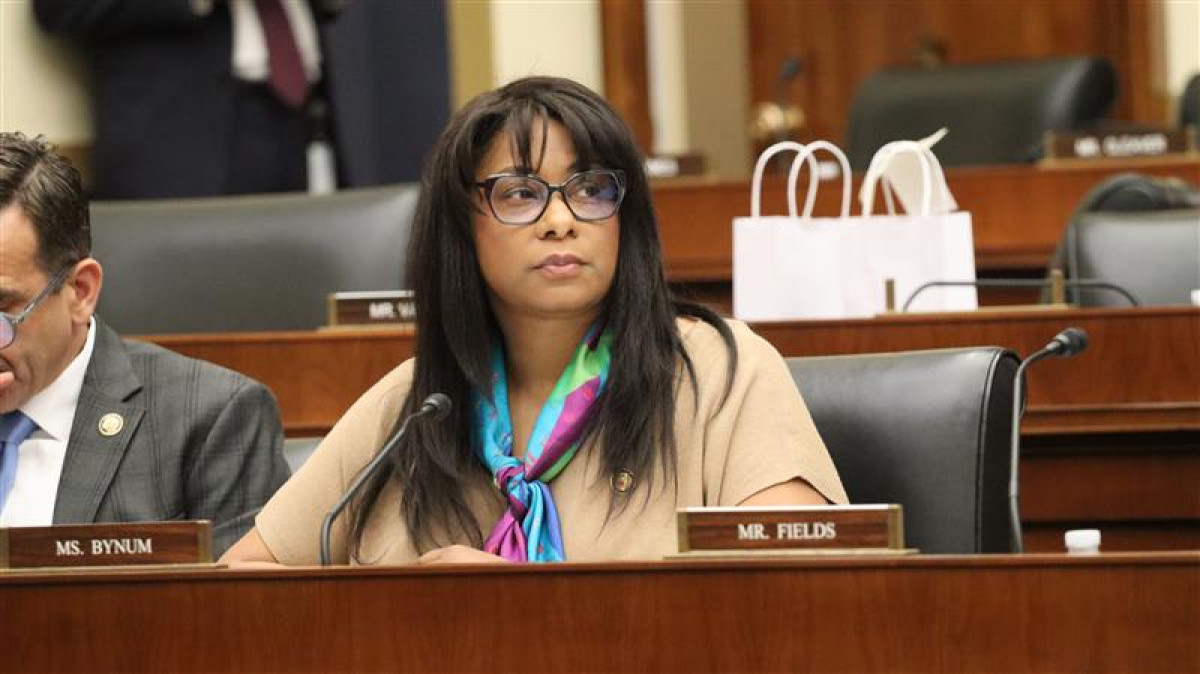
Washington, DC – Congresswoman Janelle Bynum (OR-05) and Congressman Mike Lawler (NY-17) introduced the bipartisan, bicameral Homeless Children and Youth Act to help millions of children and young people experiencing homelessness access support.
The current definition of homelessness used by the U.S. Department of Housing and Urban Development (HUD) excludes children and youth in particular living situations from accessing services, often leaving them in unstable and unsafe situations. This legislation would expand the definition of homelessness to ensure all eligible young people can access the services they need to help them exit homelessness.
"Oregon has one of the highest rates of youth and teen homelessness in the country, and too many of these children are unable to access support they need because of red tape,” said Rep. Bynum. “We know that teen homelessness is the strongest predictor of homelessness as an adult, and that expanding access to support can be life-changing for these kids. That’s why I’m proud to be leading this bipartisan bill to cut through the red tape and offer young Oregonians – and Americans – a pathway out of homelessness.”
"Schools identify about 1.4 million children and youth as homeless, yet most can’t access HUD resources because they don’t fit its narrow definition. Ignoring these hidden but serious cases strains families and local communities, which sets many kids on a path toward adult homelessness. Updating the definition is a necessary step to break that cycle and ease economic strain on our local communities,” said Rep. Lawler.
The Senate version of the bill has been introduced by Senator Angela Alsobrooks (D-MD) and Senator Katie Britt (D-AL).
Read the full text of the legislation here.
This legislation is endorsed by SchoolHouse Connection, National Network for Youth, New Avenues for Youth, Jackson Street Youth Services, the Maslow Project, and Family Promise’s national organization, as well as their affiliates serving communities in the Mid-Willamette Valley and Tualatin Valley.
“Every day, early childhood programs, schools, and child-serving agencies see the serious harm caused by hidden homelessness – precarious, unstable, often unsafe situations that force families and youth to move again and again. Federal housing policy currently ignores this reality, using a restrictive definition of homelessness that keeps these children and youth from even being considered for help,” said Barbara Duffield, Executive Director, SchoolHouse Connection. “The Homeless Children and Youth Act fixes this by bringing HUD in line with other federal agencies so that infants, toddlers, school-age children, and young people can be assessed for the housing they need to avoid homelessness as adults. SchoolHouse Connection is grateful to Representatives Bynum and Lawler for their bipartisan leadership to ensure that children and youth of all ages are no longer invisible in our nation’s response to homelessness.”
“Far too many children, youth, and families are denied housing and services simply because the U.S. Department of Housing and Urban Development (HUD) clings to an outdated definition of homelessness that fails to reflect the realities these young people face today. This isn’t a mere technical issue—it is a failure that forces young people to stay in unsafe, unstable situations and keeps them from getting help,” said Darla Bardine, Executive Director, National Network for Youth. “The Homeless Children and Youth Act ends this injustice by aligning HUD’s definition with the more accurate definition already used by other federal agencies, allowing children, youth, and families experiencing homelessness to finally be seen, counted, and served. The National Network for Youth applauds Representatives Lawler and Bynum for their bipartisan leadership to ensure children, youth, and families are no longer excluded from the housing and support they urgently need.”
"As a national nonprofit working to prevent and end family homelessness across the United States, Family Promise sees firsthand that children and families experiencing homelessness are often less visible in their communities and therefore overlooked in policy decisions,” said Cheryl Schuch, CEO, Family Promise. “We are grateful to Representatives Bynum and Lawler for coming together to champion the Homeless Children and YouthAct, ensuring that our most vulnerable children are a priority. By reducing barriers to homelessness assistance for children and families, the Homeless Children and Youth Act would make sure that more homeless children get help before they reach adulthood, supporting the future success of our next generation.”
“As more children, youth, and families experience housing instability and homelessness, they are forced to rely on precarious strategies like doubling or tripling up, couch surfing, and constantly cycling through short term, often unsafe arrangements. Yet the current HUD definition of homelessness excludes many of these young people from accessing critical supports,” said Sean Suib, Executive Director, New Avenues for Youth. “Aligning HUD’s definition with other federal program definitions will open the door to earlier intervention and help prevent today’s vulnerable youth from becoming tomorrow’s chronically homeless adults”.
"Too many children are ignored by current policies and are forced to bounce between shelters, motels, couches, or their parents’ car. Homelessness doesn’t look just one way, and neither should their access to services. HYCA makes sure children and their families are seen, counted, and supported," said T.J. Putman, Executive Director, Family Promise of the Mid-Willamette Valley.
Too many children and young people experiencing homelessness are rendered invisible by outdated federal definitions that exclude those without a safe or stable place to stay. Whether they are couch-surfing, doubled up, or relying on unsafe temporary arrangements, these youth deserve to be recognized and supported — not turned away because they don’t fit a narrow definition,” said Kendra Phillips, Executive Director, Jackson Street Youth Services. “The Homeless Children and Youth Act is a critical step toward aligning federal policy with the lived realities we see every day and ensuring that all young people can be assessed for the housing assistance they need. We are grateful to Rep. Bynum and Rep. Lawler for championing legislation that brings dignity, accuracy, and equity to how we support vulnerable youth and families.
"Every child deserves a stable foundation to build their future. The Homeless Children and Youth Act isn't just about providing shelter—it's about ensuring equal access to education, support services, and the opportunity for every young person to reach their potential regardless of housing status. When we invest in homeless youth today, we prevent lifetimes of housing instability tomorrow,” said Mary Ferrell, Executive Director, Maslow Project.
“Family Promise of Tualatin Valley commends Rep. Bynum for championing the Homeless Children and Youth Act (HCYA). Too often, families experiencing homelessness remain hidden—doubling up or staying in motels to keep their children safe. These families face the same instability and trauma, yet current policies often exclude them from critical services. HCYA ensures that every child is seen, counted, and supported, regardless of where they sleep,” said Elise Schaff Laubach, ED, Family Promise of Tualatin Valley.
###